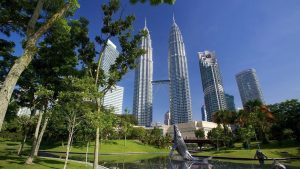

Malaysia’s postcards are dazzling: twin towers, island beaches, tea-clad highlands. But the true soul lies in the quiet dawn of a kampung lane, the slow chatter of a park, the smell of kopi from an open doorway, which one can experience by lacing up and going for a run. Running sits between walking and driving: it covers useful ground while keeping your senses wide open. Below is a practical, curiosity-friendly guide to using running as a tool for “slow looking” — noticing the everyday details cars erase and guidebooks ignore, and explains how exercise, green space and perception is linked to the interest in running.
Why running is a perfect and health-friendly mode of travel
Running is more than transport: it’s also a compact health intervention. Large population studies show that even small amounts of leisure running has good health impact, (as little as 5–10 minutes a day) and is associated with substantially lower all-cause and cardiovascular mortality. This makes running an efficient way to get both movement and exploration into your day.
Beyond longevity, aerobic exercise supports cognitive function and mood, meaning you’ll often be mentally sharper and more open to noticing small things on a route than when you’re in a rush or behind the wheel. Several reviews and meta-analyses have found regular aerobic activity benefits memory, executive function, and general wellbeing.
Back roads: the gentle thrill of getting slightly lost
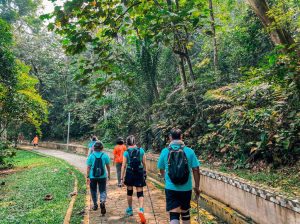
The real magic starts when you turn off arterial roads and onto back lanes. Malaysia’s smaller roads and kampung connectors curve, narrow, and thread through households, coconut stands, and little shops. These are the routes where you’ll meet the country’s rhythms: a man sweeping his stoop, a roadside kuih seller arranging packets, an elderly couple on a morning stroll.
Why favour back roads? They’re quieter, often tree-lined, and more human in scale, which affects how fast you run and what you notice. Studies show environmental features greatly influence walking speed. People change their walking/running speed and attention depending on environmental features like greenery and traffic; places with trees and lower traffic tend to slow people down and increase liking.
Practical tip: aim for early mornings (before 8am) to catch the cool air and the market setups — and always be polite and uncluttered: a smile goes further than a camera in a kampung.
Kampungs: slow mornings and small discoveries
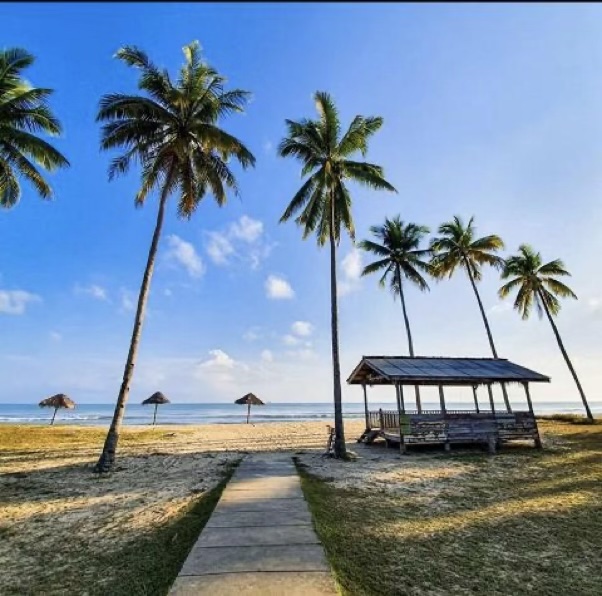
Kampung runs feel like a short, friendly documentary. Wooden houses on stilts, gardens with pandan and banana, laundry lines, and the familiar clatter of breakfast prep create a textured backdrop that photos rarely capture.
Running through a kampung is a study in tiny rituals: the arrangement of shoes at a doorway, the cadence of prayer calls, kids tracing the same path to school. These details form a human map you’ll carry long after the skyline fades from memory. Move with curiosity, not checklist: slow looking is not about ticking boxes but about staying present. Local research and reviews on green spaces and community settings also show that pocket gardens and street trees help, as being in close contact with everyday natural features improves mood and social cohesion.
Parks: social habitats and sensory feasts

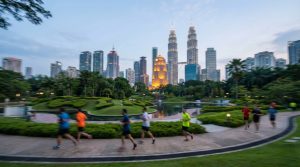
Parks are where urban Malaysia gets communal. Whether it’s KLCC Park, Perdana Botanical Gardens, a kampung padang, or a neighbourhood field, parks host tai chi circles, aunties power-walking, kids on bicycles and weekend aerobics. Running through parks gives you both safety (fewer vehicles) and variety of different people and different activities.
There’s good science behind choosing green routes: interactions with green space — even brief “green exercise” — have measurable benefits for mental health and stress reduction. Running in parks combines those psychological benefits with the physiological ones from exercise. You’ll find your attention drawn to birdsong, shade patterns, and the small ways people arrange their public life.
Practical tip: park routes often have looped paths — use them to mix intervals with observation. Pause for five deep breaths under a tree; it changes how the place registers in your memory.
Residential streets: the intimacy of ordinary life

Residential areas are slow-motion social networks. Terrace houses, apartment blocks, and gated communities tell stories about daily schedules and local economies. At running pace you’ll notice little details such as the early kopitiam owner flipping roti, a noticeboard advertising tuition classes, children’s bicycles leaning by a gate, the security guard who knows all morning faces.
These observations are small data about how a community functions. Over repeated runs, you’ll be able to “read” a neighbourhood; when it wakes, where people exercise, which streets host morning markets. Urban design and perception research shows subjective impressions of a neighbourhood often diverge from maps, but regular, attentive movement such as running helps you build an accurate, sensory map of place.
What you notice at running pace that cars erase
Cars compress and sanitize experience. Here’s what running restores:
- Sound — distant calls to prayer, a child’s laughter, the throb of a motorbike’s engine as it slides past.
- Smell — fresh pandan leaves, frying oil, wet soil after an overnight shower.
- Micro-transitions — the way shade spills across a street, a sudden patch of mango trees, a roadside shrine.
- Human scale — faces, gestures and routines that are invisible at 60 km/h.
Psychological research indicates that slower speeds increase attention to environment and emotional engagement, which is why walking tours feel meaningful and why running, performed without haste, becomes a potent way to “slow look.”
Running as “slow looking” — moving observation with intention
“Slow looking” began in museum practice to describe spending more time with fewer objects; it’s part of the broader slow movement that values quality over quantity. Applied to running, “slow looking” means using the movement itself as a way to pay sustained attention to place: letting route choice be curiosity-driven, pausing when something compelling appears, and preferring presence over accumulation.
How to practise slow looking on a run:
- Pick a seed idea, not a fixed route — e.g., “I’ll follow any road that smells of baking” or “I’ll run until I find a morning market.”
- Schedule short pauses — stop for 30 seconds to listen or watch. These tiny breaks are where noticing happens.
- Choose variety over speed — opt for an interesting detour rather than the shortest lane.
- Journal one small observation after your run (a scent, a sound, something funny someone did). Over weeks you build a sensory diary of a place.
Safety, courtesy and practicalities
- Be visible in low-light (reflective vest or light).
- Hydrate — Malaysia’s humidity is real; plan water breaks.
- Dress modestly in conservative kampung areas and be mindful of cultural norms.
- Ask before photographing people — many appreciate an approach and a smile.
- Mind traffic rules and respect private property.
These small acts of courtesy turn you from a voyeur into a welcome presence.
Routes to try (starter ideas)
- Kampung loop: find a lane off a small town’s main road and run the circuit at dawn — expect local markets and household rituals.
- Park stitch: stitch together two or three neighbourhood parks, stopping briefly to watch morning routines.
- Residential wander: pick a residential area and aim for three different streets you haven’t explored before.
No need for exact GPS; let curiosity be your map. If you want, I can draft 3-5 sample routes for a city (KL, Penang, Johor) with distances and safety notes.
The payoff: a richer map of a place and a fuller travel memory
Tourist highlights are memorable; the everyday is enduring. Running gives you both: the cardio benefits and a layered, sensory sense of place. Over time, a series of short runs builds a quiet local knowledge; a different kind of souvenir composed of smells, sounds and small human gestures.
Science supports this, as running yields physical and mental health benefits, while green and everyday urban spaces amplify those gains and sharpen perception. If you want Malaysia beyond postcard views, try running as a method of slow looking: you’ll return home fitter, more curious, and with stories nobody found on the tourist map.