
For many first-time runners, the idea of combining running with sightseeing can feel intimidating. Questions surface quickly: Will I be too slow? Will I be able to keep up? Will I even enjoy it? A successful running tour for beginners is one that can turn distance into something approachable by breaking it into moments—landmarks, stories, crossings, water sips, and the kind of photo stops that reset the mind before the legs even notice they were getting tired.
Kuala Lumpur offers something rare: iconic landmarks clustered close together, wide pedestrian paths, and a morning atmosphere that feels calm rather than chaotic. For first-timers seeking an easy, confidence-building 5K–10K experience, a running tour in KL is not about performance—it is about progress, perspective, and pleasure.
This guide helps explain what a running tour really is, what pace beginners can expect, how to stay safe, and highlights sightseeing routes that blend gentle running with photo stops.
What Is a Running Tour?
A running tour is best described as a guided jog with purpose, rather than a race or structured training session. It fuses light running with storytelling, photography, and exploration.
The most important distinction is this: a running tour prioritises enjoyment over speed.
- Conversational running: Participants should be able to speak in sentences without gasping for air. If that is not possible, the pace is too fast for a tour.
- Planned pauses: Stops are baked into the route—at viewpoints, landmarks, traffic crossings, or shaded areas.
- Story + scenery: The route isn’t chosen for perfect splits; it’s chosen for the places it reveals.
Kuala Lumpur’s landmark density makes this style of touring especially effective: the scenery changes quickly, so the run stays mentally fresh without requiring big mileage. Participants often jog in short segments—500 metres to 1 kilometre—before stopping. These pauses make the overall distance feel far more manageable than a continuous solo run.
For beginners, this format removes the pressure of “having to run the whole way” and replaces it with a sense of shared experience.
Why Running Tours Are Ideal for First-Timers
An experienced runner will often say that beginners struggle not because of fitness, but because of mental barriers. Running tours help dismantle those barriers in several ways:
- Reduced intimidation: You are not running alone.
- Natural pacing: The group sets a comfortable rhythm.
- Distraction from fatigue: Sightseeing breaks the distance mentally.
- Built-in recovery: Stops are part of the plan, not a sign of weakness.
Many first-timers are surprised they were able to complete 7–10km on a running tour when they previously thought 3km was their limit.
What Pace Should Beginners Expect?
Pace anxiety is common, but beginner-friendly running tours in Kuala Lumpur usually average:
- 7:30 to 9:00 minutes per kilometre
- Including walk breaks and stops
- With flexibility based on group ability
Importantly, the advertised distance does not mean continuous running. A 10km running tour may only involve 6–7km of actual jogging, with the rest covered through walking and pauses. The experienced runner’s rule of thumb remains simple: if a participant can comfortably walk for an hour, they can usually complete a 5–10km running tour.
It helps to think in time rather than speed. A 6km running tour with photos may take 60–90 minutes door-to-door. The movement is gentle, and the breaks make the distance feel smaller.
Why Kuala Lumpur Is a Standout City for Beginner Running Tours
Experienced runners who have tried running tours in global cities often notice that each place has a “personality.” Some cities are fast-moving and intense; others are beautifully scenic but require long distances between highlights.
Kuala Lumpur is a sweet spot for beginners for three reasons:
1) Big landmarks, short distances
KL’s major sights are clustered. A beginner can see world-famous architecture and historic civic spaces without needing to run half a marathon.
2) Runner-friendly pockets
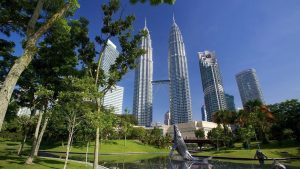
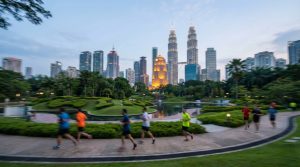
KLCC Park, for example, is widely known for its dedicated jogging track (often cited as ~1.3km) and its skyline views of the PETRONAS Twin Towers—an ideal “comfort zone” for first-timers.
3) History meets modernity in one loop
A heritage route can include Merdeka Square and the Sultan Abdul Samad Building—landmarks closely tied to KL’s colonial-era civic centre—then transition into modern districts within the same outing. The Sultan Abdul Samad Building is a major historic landmark facing Dataran Merdeka and dates to the late 19th century.
Safety Basics for Running Tours in KL
Kuala Lumpur is warm and humid all year-round, so beginner safety is less about “extreme danger” and more about smart habits that prevent discomfort from turning into a bad experience.
Run early for comfort and safety
Local guidance commonly recommends running in the earlier morning window (often around 6–8am) to reduce heat stress in Malaysia. Running resources also note that KL climate is hot and humid, and advise paying attention to hydration and avoiding the harshest sun.
Hydration and humidity
Beginners should aim to start hydrated and sip during stops. Humidity can make a “normal” effort feel harder than expected, so slowing down is not weakness—it’s correct pacing.
Visibility and road sense
Even on tourist-friendly paths, road crossings happen. A running tour should:
- Use pedestrian crossings and obey signals
- Keep the group together
- Avoid weaving through traffic
Weather awareness
KL’s weather can shift quickly. If there’s lightning or heavy rain nearby, the safest decision is to shelter or reroute—standard running-weather guidance warns against running during lightning and emphasises hydration and sun protection in hot/humid conditions.
What to bring (lightly)
An experienced runner will advise beginners to keep it simple:
- Comfortable shoes already worn before
- Light, breathable top
- Small water (or plan frequent stops)
- A little cash/card for post-run breakfast
- Phone for photos and navigation
Sample Route 1: KLCC Sunrise Confidence Loop (5–6km)
Best for: absolute beginners, first running tour, jet-lag recovery
Terrain: mostly flat, park paths and sidewalks
Why it works: a dedicated jogging environment with iconic skyline payoff
Start: KLCC Park
KLCC Park is widely recognised as a prime running spot, featuring a dedicated jogging track often described around 1.3km and excellent views of the PETRONAS Twin Towers.
Suggested route flow (easy + photo-friendly):
- Warm up with one relaxed KLCC Park loop (photo stop: Twin Towers framed by greenery).
- Jog out toward nearby surrounding sidewalks for a “city feel,” then return to the park for a second partial loop.
- Finish back at KLCC Park near the lake/fountain area.
Photo stops (built-in motivation):
- Twin Towers wide shot from the park
- Reflections and skyline angles from different park edges
- Calm morning scenes: locals stretching, walkers, soft sunrise light
Coffee/breakfast finish:
Choose a nearby café around Suria KLCC or walk/jog slowly toward adjacent neighbourhood cafés for a more local breakfast. The key is the ritual: finish together, order something comforting, and celebrate the fact that the run felt doable.
Sample Route 2: Merdeka Heritage Run (7–8km)
Best for: beginners who want culture and “story breaks”
Terrain: mostly flat, sidewalks and open civic spaces
Why it works: frequent landmarks reduce the mental load of distance
Start: Dataran Merdeka (Merdeka Square)
Merdeka Square is a major KL landmark set in front of the Sultan Abdul Samad Building, commonly highlighted as a focal point for visitors and civic events.
Suggested route flow:
- Start with a gentle warm-up loop around Merdeka Square.
- Jog past the Sultan Abdul Samad Building frontage for classic architecture photos.
- Continue toward nearby heritage streets, then arc back to Merdeka Square to finish.
Why beginners love it:
A heritage route “gives permission” to slow down. There are natural breaks: reading plaques, admiring architecture, waiting at crossings, and taking photos. The Sultan Abdul Samad Building is frequently cited as a late 19th-century historic landmark facing the square, and it makes a perfect “anchor stop” for a tour.
Photo stops:
- The Sultan Abdul Samad Building façade and clock tower angle
- Wide lawn shots of Merdeka Square
- Group photo with historic civic architecture backdrop
Coffee/breakfast finish:
Head to a nearby kopitiam-style breakfast (kaya toast, soft-boiled eggs) or a heritage café. The experienced runner’s suggestion: pick a place with outdoor seating so beginners can cool down slowly, hydrate, and enjoy the post-run glow.
Sample Route 3: River of Life + Masjid Jamek City Loop (9–10km)
Best for: beginners ready to stretch toward 10km without pressure
Terrain: largely flat, riverside promenades and central streets
Why it works: scenic river corridor makes longer distance feel easier
Start: Near Masjid Jamek / River of Life promenade
The River of Life area is widely described as a revitalised stretch near Masjid Jamek and the confluence of the Klang and Gombak rivers, designed to create a more walkable, scenic urban waterfront experience.
Academic and travel write-ups also note the River of Life’s role in reinforcing the historical identity of central Kuala Lumpur around heritage landmarks such as Masjid Jamek and Merdeka Square.
Suggested route flow:
- Begin with a gentle jog along the riverside promenade (start slow—humidity is strongest near water).
- Stop at scenic points along the waterfront for photos.
- Loop through nearby central streets (choose wider sidewalks), then return to the river for the final stretch.
Why it’s beginner-friendly despite the distance:
Longer tours succeed when the scenery carries the mind. The River of Life area is often highlighted for its promenades and visitor-friendly walkways, which suit the run-walk style that keeps beginners comfortable.
Photo stops:
- Masjid Jamek views by the river
- Bridges and river-edge perspectives
- A final group photo with the riverfront backdrop
Coffee/breakfast finish:
End near Chinatown edges or central cafés. This is where a running tour feels like a mini-vacation: a 10km “achievement,” followed by brunch like it was always the plan (because it was).
How KL Running Tours Compare to Other Cities
Experienced runners often compare running tours across cities:
- Tokyo: Efficient but fast-paced
- London: Rich in history but distances are long
- Singapore: Polished yet often crowded
Kuala Lumpur distinguishes itself by being:
- Slower-paced and forgiving
- Compact in landmark layout
- Culturally rich without being overwhelming
For beginners, KL feels less demanding and more welcoming.
Common Beginner Concerns (and Why They Fade Quickly)
“I’m not fit enough.”
Running tours are designed for mixed abilities.
“I’ll slow everyone down.”
Good tours move at the pace of the slowest runner.
“I’ll be embarrassed.”
Most participants are first-timers too.
From experience, these worries usually disappear within the first kilometre.
Practical Tips That Make a First Running Tour Feel Easy
The difference between “hard” and “pleasant” is often just a few small choices:
- Start slower than feels necessary for the first 1km.
- Use the first photo stop early (within 10–15 minutes) to calm nerves.
- Walk out of every stop for 30–60 seconds before jogging again.
- Keep the group compact so no one feels left behind at crossings.
- Celebrate the finish—coffee and breakfast aren’t optional extras; they’re part of the confidence-building design.
A Gentle First Step Into Running
From a seasoned runner’s perspective, a running tour is not about ticking off kilometres. It is about changing how beginners see running—from something intimidating into something enjoyable and social.
For first-timers, that matters. The goal isn’t to prove anything. It’s to leave thinking: “That was manageable. That was fun. I could do it again.”
And that—more than any pace or distance—is what makes a first running tour successful.